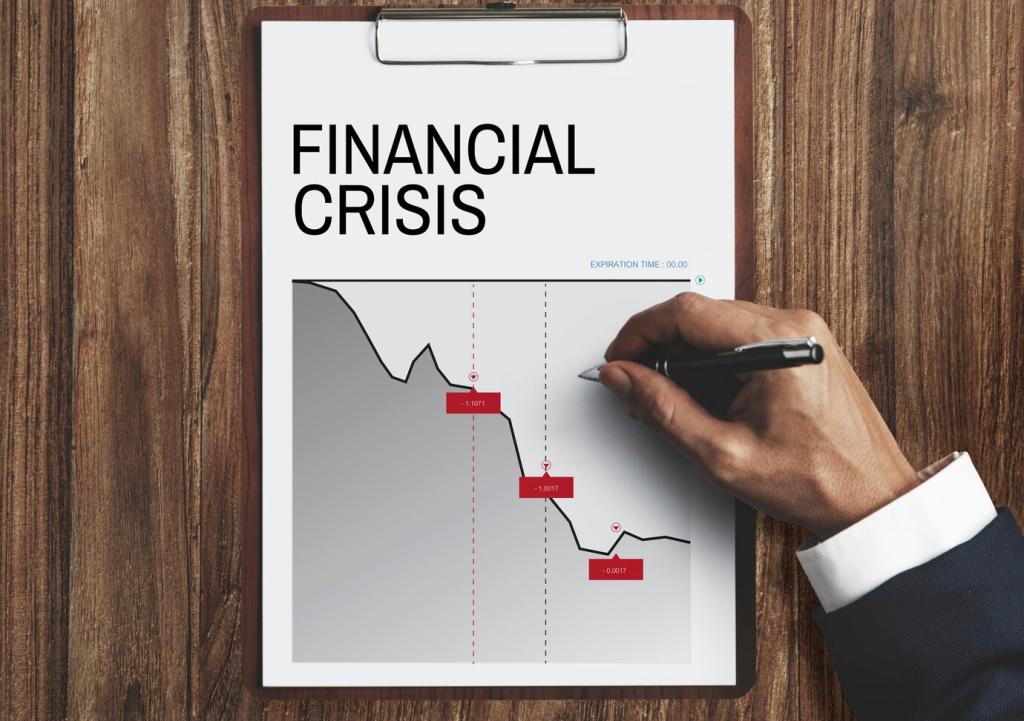
Chosen theme: Importance of Benchmarking in Financial Performance. Benchmarking transforms raw financials into a navigational compass, revealing where you lag, where you lead, and how to close gaps fast. Subscribe and tell us which benchmarks you want unpacked next.
What Benchmarking Really Means for Finance
External peer comparisons spotlight market position, internal time-series benchmarks track progress, and best-in-class functional benchmarks reveal process excellence. Together they explain not only how you perform, but why differences exist and where to act.
Blend public filings, industry reports, private datasets, and vendor dashboards to assemble a credible peer set. Match by business model, customer segment, and margin structure. Ask us to review your peer list for blind spots.
Designing a Practical Benchmarking Framework
Adjust for revenue recognition policies, seasonality, currency, pricing mix, and one-offs. Express ratios per unit, per customer, or per dollar of revenue. Normalization turns apples and oranges into meaningful, trustworthy comparisons that actually guide decisions.
Compare gross margin by product and channel to pinpoint leakage. Benchmark hosting, supplier, and fulfillment costs. Small improvements compound. Readers report two-point gains simply by renegotiating top vendors after benchmarking showed outsized variance.
Track opex as a percentage of revenue versus peers across R&D, S&M, and G&A. Benchmark revenue per employee and contribution margin. When rising revenue fails to improve operating margin, benchmarks expose structural inefficiencies quickly and clearly.
Benchmark CAC payback, LTV/CAC, and cohort gross margin. If growth requires discounts that erode margin, benchmarks force hard choices. Comment with your unit metrics, and we’ll suggest peer ranges to aim for this quarter.
Cash, Liquidity, and Resilience Through Benchmarking
Working Capital and the Cash Conversion Cycle
Benchmark DSO, DPO, and inventory days against peers to shorten the cash conversion cycle. One reader shaved nine days by tightening credit terms and improving invoicing accuracy after discovering top-quartile peers collected significantly faster.
Liquidity Buffers and Debt Benchmarks
Compare cash runway months, revolving capacity, interest coverage, and covenant headroom. Benchmarks reveal whether you’re overexposed to refinancing risk. Use insights to stage draws, ladder maturities, and maintain optionality during uncertain funding markets.
Predictive Benchmarks and Leading Indicators
Benchmark conversion by stage, sales cycle length, and average deal size. If top-of-funnel looks healthy but win rates trail peers, enablement and qualification may be the constraint. Early diagnostics prevent later revenue disappointment and missed plans.
Predictive Benchmarks and Leading Indicators
Benchmark logo retention, gross churn, and net revenue retention by cohort. Expansion should offset churn in healthy models. If peers expand faster, investigate packaging, upsell motions, and customer outcomes. Share retention tactics for our community spotlight.
A CFO’s Story: Turning Benchmarks into Breakthroughs
Revenue grew, but cash tightened and margin drifted. Meetings debated anecdotes, not evidence. Without external benchmarks, leadership mistook seasonal swings for structural strength, delaying critical vendor negotiations and merchandising changes that would improve profitability.
Making Benchmarking a Habit and a Culture
Monthly Benchmark Rituals
Host a cross-functional forum comparing outcomes to targets and peers. Document insights, decisions, and owners. Small, consistent course corrections compound. Invite skeptics; benchmarking earns trust when everyone sees transparent assumptions and credible, repeatable data.
Translate benchmarks into narratives: what changed, why it matters, and what happens next. Share context, not just charts. Investors reward clarity. Teams rally when they see how their work narrows gaps against ambitious, realistic targets.
Tie variable compensation to benchmarked improvements, not only absolute results. Reward movement toward top-quartile performance. Publicly celebrate process wins. Tell us how you structure incentives, and we’ll compare your approach with proven designs across industries.